Wedding Venues in North Wales for Cinematic Wedding Films
North Wales is one of those places that never really leaves you. The coastline, the mountains, the changing light, the sense of space – it all has a way of staying with you long after you’ve been. For me, it’s a place full of nostalgia. Family holidays around Porthmadog, days spent exploring the coast and countryside, and years later, returning again and again as a wedding musician and filmmaker.
From a filmmaking perspective, North Wales offers something truly special. Even on overcast days, the light is often soft and flattering. Venues tend to be surrounded by landscapes that do a lot of the visual work for you. And there’s a growing appetite here for weddings that feel relaxed, intimate and connected to place – whether that’s a country house, a barn, a garden venue, or something more unconventional.
This guide isn’t a generic list. It’s written from the perspective of someone who’s spent years working weddings across North Wales – first as a musician, and now as a wedding filmmaker. I’ll share what actually matters on camera, how different venues handle light and weather, and which spaces lend themselves best to calm, cinematic wedding films.
Before we jump in, if you’re exploring wedding film options in the area, you might find it useful to check out my Wedding Videographer North Wales page for a deeper look at filming style and location strategy.
Before getting into specific venues, it’s worth understanding why North Wales works so beautifully on film.
From a filmmaking point of view, the best venues are the ones that allow the day to flow naturally, without constant room turnarounds or long gaps where guests are waiting around.
Tyn Dŵr Hall – Llangollen, North Wales
A Tudor-style venue that blends countryside calm with cinematic flexibility
Tyn Dŵr Hall is one of those venues that consistently works well, whatever the season. Architecturally, it has that mock-Tudor feel that’s so familiar in Cheshire, but set against a distinctly North Wales landscape of woodland and open countryside.
From a filming perspective, the flow of the day is excellent. You have the option of indoor or outdoor ceremonies, which immediately makes it a strong choice in unpredictable weather. The indoor ceremony space is particularly valuable on rainy days – it still feels bright, calm and intentional, rather than like a compromise.
One of the standout features is light. The wedding breakfast space has large windows, meaning you get plenty of natural light even in winter. I’ve worked weddings here in spring, summer and winter, and it films well every time. The surrounding grounds offer loads of options for portraits, with woodland providing texture and depth that reads beautifully on camera.
It’s a venue that suits couples who want something relaxed and elegant, without things feeling over-styled or staged.
Tower Hill Barns – Llangollen, North Wales
Secluded, characterful, and brilliant for outdoor ceremonies
Tower Hill Barns has a very distinctive feel. Set up on a hill with far-reaching views, it feels wonderfully secluded while still being accessible. The outdoor ceremony space, tucked beneath an old railway bridge, is one of the most characterful setups in North Wales – especially for couples who like something a little different.
Light is a big strength here. The ceremony and wedding breakfast areas are surrounded by windows, which helps enormously on cloudy days. There are also dedicated spaces for both bride and groom preparations on site, which is ideal when working with a smaller supplier team and helps the morning feel calm rather than rushed.
Weather is always a consideration in North Wales, but Tower Hill Barns handles this well. Even if it rains, the ceremony space remains covered, allowing you to keep the outdoor feel without fully retreating indoors. The evening space is separate, which means bands and DJs can set up without disrupting the flow of the day.
From a filmmaking point of view, it’s a venue that gives you options – which is always what you want.
Soughton Hall – Northop, Flintshire
Cosy country house weddings with space to breathe
Soughton Hall offers a very warm, country-house feel. It works equally well for larger weddings and more intimate days, which isn’t always easy to achieve. The grounds provide lots of filming locations, and many receptions take place in a marquee at the rear, which allows for plenty of natural light during the day.
The Coach House at Soughton Hall, just around the corner, is also worth mentioning. It offers a slightly more contained, warmer setup, which can be especially appealing for cooler months or smaller guest lists.
From experience, this is a venue that feels flexible. Couples can shape the day around what matters to them, and that flexibility translates well into film. Winter weddings can still look beautiful here, though it’s worth being mindful that marquee spaces can feel cooler – something to consider if you have a lot of older guests.
Hafod Farm – North Wales
Mountains, countryside, and a true sense of place
Hafod Farm is all about its setting. Surrounded by North Wales countryside and mountain views, it offers some genuinely beautiful backdrops for portraits and quiet moments away from the main day.
The venue works well for mixed indoor and outdoor weddings. While some indoor spaces are darker and rely more on artificial lighting, the real strength here is outside. In spring and summer, especially, the landscape does a lot of the heavy lifting visually.
As with many rural venues, it’s worth having good conversations with your suppliers about logistics and evening setup, but from a filmmaking perspective, those challenges are manageable. With a bit of planning, Hafod Farm can produce films that feel grounded, natural and deeply connected to their surroundings.
Portmeirion Weddings – North Wales
Iconic, artistic, and unlike anywhere else
Portmeirion is completely unique. Designed by Clough Williams-Ellis, it feels more like a Mediterranean village than a traditional North Wales venue – and that’s exactly why it’s so compelling on film.
The architecture, colour palette and changing light make it endlessly interesting to shoot. As the sun moves, the entire place transforms, offering different looks throughout the day. Even in overcast conditions, the soft light works beautifully against the buildings.
While it’s more of a destination-style venue, it’s surprisingly flexible. There are plenty of accommodation options nearby or on site, and weddings here can be shaped in lots of different ways. For couples looking for something visually striking and editorial in feel, Portmeirion is hard to beat.
Weddings at Bodnant Welsh Food - Conwy
Gardens, landscape, and a blank-canvas approach
The venue at Bodnant Gardens offers a more rustic, flexible feel, surrounded by some of the most beautiful scenery in North Wales. While the venue itself acts as a blank canvas, the real appeal lies in what’s outside – gardens, mountains and views across the estuary.
Lighting indoors can be more challenging, and the venue tends to shine brightest in spring and summer when guests can spend time outside around fire pits and garden spaces. That said, smaller winter weddings can still work well here, particularly for couples who value intimacy and atmosphere over scale.
Henblas Country Park – Anglesey
Modern, relaxed, and built around the view
Henblas Country Park, over on Anglesey, is a fantastic option for couples who want a relaxed but contemporary feel. The ceremony space features large windows looking out towards the mountains, which gives you stunning natural light in almost any weather.
This makes it particularly strong on rainy days – something that can’t be said for every venue. While the wedding breakfast space relies more on artificial lighting, that’s something an experienced filmmaker can work with, using subtle lighting to keep things feeling cinematic rather than flat.
Henblas suits couples who want modern comfort paired with big North Wales views.
One of the things I love about filming in North Wales is that some of the most beautiful weddings don’t happen at well-known venues at all. Local chapels, family farms, tipis in fields, and small village halls can produce incredibly moving, personal films.
If you’re planning something like this, the key is thinking about light, shelter, and how the day will flow. With the right approach, these less conventional venues often result in the most meaningful films.
Do North Wales venues work well in bad weather?
Many do. The strongest venues have indoor spaces with good natural light, meaning rain doesn’t automatically mean compromising on how your film looks.
Are winter weddings in North Wales still cinematic?
Absolutely. Shorter days and softer light can actually enhance the mood, especially in venues with large windows and warm interiors.
Is North Wales good for elopements and intimate weddings?
It’s ideal. The landscape, quieter pace, and variety of venues make it perfect for smaller, more personal celebrations.
What should couples ask venues from a filming perspective?
Ask about natural light, indoor ceremony options, room turnarounds, and how flexible the schedule can be if the weather changes.
North Wales offers an incredible range of wedding venues, but the ones that work best on film are those that allow space, calm and flexibility. Whether you’re drawn to grand country houses, rustic barns, gardens or something entirely your own, this region has a way of elevating wedding films into something timeless.
And if you’re thinking about how to bring all of this to life on film, take another look at my Wedding Videographer North Wales page for more insights on style, storytelling and shooting strategy.
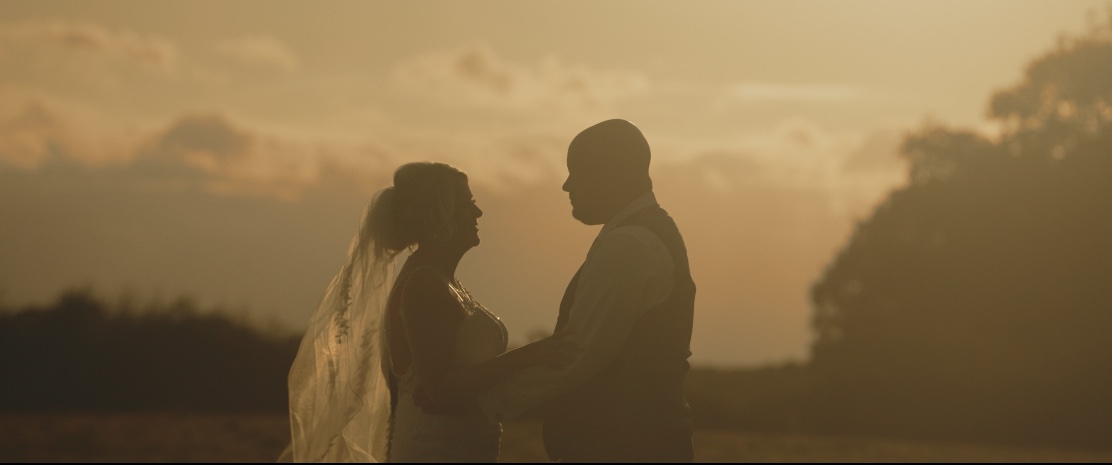
Every Nocturne film begins with a conversation — about your story, your energy, and how you want your day to feel. We only take on a limited number of weddings each year to keep every film personal and intentional.

.png)


Cinematic wedding films for modern romantics — crafted by filmmaker Tom Kinton, blending fine-art cinematography with authentic storytelling across the Cheshire, North Wales, Shropshire, the rest of the UK and Europe.